As a former early childhood educator with over 11 years of experience in the classroom, I have sat across the table from hundreds of parents during transition meetings. The question I am asked most often—usually with a hint of anxiety in their voice—is, "Is my child actually ready for school?"
There is a pervasive myth in our culture that school readiness is measured by how well a child can recite the alphabet or count to one hundred before they set foot in a kindergarten classroom. I am here to tell you that this is simply not true. True school readiness definition is about so much more than early academics. It is about the whole child development, encompassing their emotional resilience, social skills, physical coordination, and, most importantly, their ability to be independent.
In this guide, we will break down what the preschool to school transition really looks like and how you can support your child in becoming a confident, capable learner.
The Shift: From Academics to the "Whole Child"
When we talk about the whole child development, we are looking at a tapestry of skills that allow a child to function within a school environment. Think of school as a new workplace for your child. They need to manage their belongings, understand social cues, follow instructions, and navigate physical challenges.
Qualified early childhood educators know that a https://upwardparenting.com/how-to-help-your-preschooler-prepare-for-school/ child who can identify their own name, share a toy, and put on their own coat is significantly "more ready" for the primary school environment than a child who can read basic words but struggles to open their own lunchbox or manage their frustration when a task is difficult.
Building Physical Foundations: The Role of Play-Based Learning
Many parents worry about "pre-writing" skills. While writing is important, it relies entirely on fine motor strength and coordination. This is where play-based learning activities become the primary vehicle for growth. You don't need expensive workbooks to prepare your child; you need a messy, engaging playroom.
Fine Motor Development Tools
- Blocks: Manipulating blocks helps with spatial awareness and hand-eye coordination. Puzzles: These teach problem-solving and persistence. Art Materials: Drawing, painting, and collage work build the hand strength required for holding a pencil. Playdough: The ultimate tool for developing hand muscles and refining dexterity. Child Safe Scissors: Mastering the "thumbs up" grip while cutting is a critical milestone for cutting paper in the classroom.
If you have concerns about your child’s coordination or sensory processing, reaching out to occupational therapists can provide specific strategies. They are experts in understanding how a child interacts with their environment and can offer targeted play ideas to strengthen those essential fine motor skills.
Independence: The Non-Negotiables
When I ran school readiness sessions, my advice to parents was always to focus on the "I can do it" factor. The school day moves quickly, and teachers cannot stop the lesson to help twenty-five children zip their jackets or open their yogurt containers. Building independence at home is the greatest gift you can give your child.
1. Self-Help and Dressing
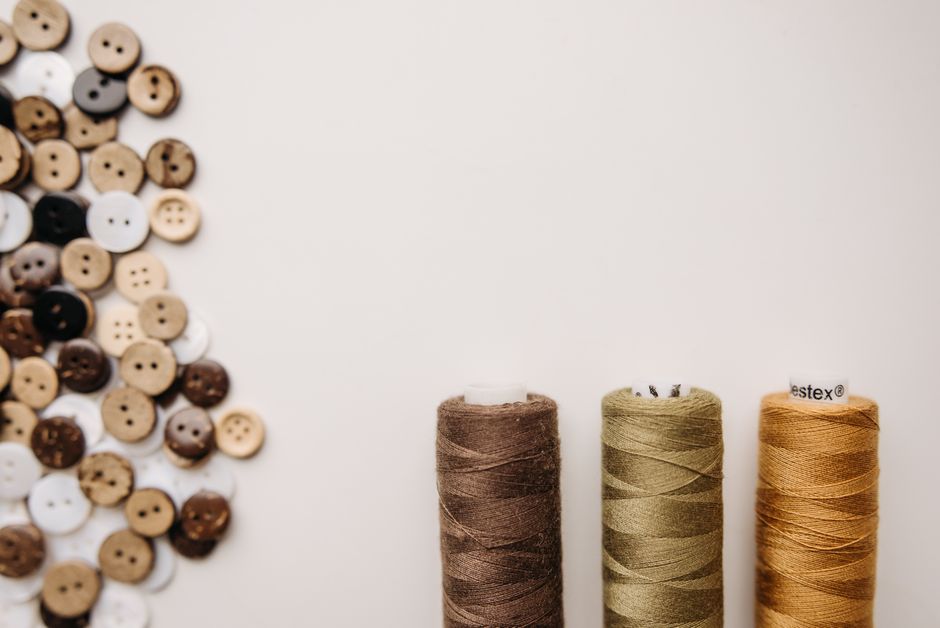
Practice makes perfect. Can your child manage their buttons, zippers, and snaps? Look for school clothing that is "kid-friendly"—think elastic waists instead of tricky belts, and Velcro shoes instead of laces. Being able to independently manage their clothing in the restroom is a major confidence booster.
2. Lunchbox and Eating Skills
The "lunchbox test" is something I recommend to every family. Spend a weekend having a picnic where your child has to open every container in their lunchbox entirely on their own. If they struggle to peel a wrapper or unscrew a lid, look for alternatives that they can manage independently. Remember, speech pathologists often work on the oral motor skills related to eating, so if your child has specific sensory aversions to food textures, they are a great resource to consult.
3. Hygiene Routines
Hand washing and tissue usage are daily habits in school. Reinforce these at home until they become second nature. Knowing how to blow one's nose and dispose of the tissue without being reminded is a self-regulation skill that keeps the classroom healthy and allows the child to return to their learning quickly.
Table: Your "Ready for School" Checklist
Use this table to assess where your child currently sits on their transition journey. This is not a grading scale, but a roadmap for the areas where you can focus your support.
Skill Area Key Milestone How to Practice at Home Independence Manage personal items (bag, hat, lunchbox) Have them pack their own bag for weekend outings. Physical Using scissors and writing tools correctly Daily "craft time" with playdough and paper strips. Social/Emotional Following multi-step instructions Play games like "Simon Says" or "I Spy" with complex clues. Self-Care Toileting and hand-washing independence Ensure they can manage clothing buttons/zips in the bathroom. Communication Expressing needs to an adult Role-play: "What do you do if you can't find your water bottle?"The Importance of School Transition Supports
Every school offers orientation visits and information sessions (school transition supports) for a reason. These events are not just for the children; they are for you. Attend them. Walk the hallways, visit the classrooms, and meet the teachers. When your child sees you feeling comfortable and positive about the school environment, they are much more likely to adopt that same mindset.
During these visits, observe how the school encourages independence. Does the teacher expect the children to hang up their own bags? Do they use visual cues to show the daily schedule? Understanding these systems allows you to "pre-teach" these expectations at home, which significantly lowers the stress of the preschool to school transition.
When to Seek Professional Support
Sometimes, a child needs a little extra scaffolding. This is where speech pathologists and occupational therapists play a vital role. If you notice your child consistently struggles with following verbal instructions, articulating their needs, or if they have significant sensory sensitivities that affect their participation, do not hesitate to reach out for a professional assessment.
Early intervention is not a sign that your child is "behind"; it is a sign that you are proactively ensuring they have the tools they need to succeed. There is no shame in seeking support—in fact, it is the hallmark of an engaged and supportive parent.
Final Thoughts for Parents
The transition to primary school is a milestone, but it is just the beginning of a long journey. If your child comes home on the first day with their uniform dirty and their lunch mostly uneaten, do not panic. They are exhausted from the sensory input, the social navigation, and the effort of learning new routines.
Focus on keeping the home environment calm and predictable. Celebrate the small wins, like when they successfully tie their shoes or ask for help from their teacher. School readiness is not a finish line; it is a gradual process of becoming a confident individual.
Take a deep breath. You have spent years nurturing their curiosity and independence. Trust that work. They are ready, and so are you.
You ever wonder why looking for more tips on navigating the primary school years? stay tuned for our next post on creating a successful "after-school decompression" routine.